

Understanding Cyberbullying and How to Deal With It
Cyberbullying happens when someone uses the internet or digital devices to bully another person. It can occur through text messages, social media, emails, or online games. The bully could be a peer or even an adult. When adults are involved, it's often called cyberharassment or cyberstalking.
Cyberbullying can be just as painful as face-to-face bullying, and sometimes even worse because it can happen anytime — even at home. The anonymity of the internet can make it harder to stop.
What Cyberbullying Looks Like
Cyberbullying can take many forms. Here are some common examples:
- Sending mean or hurtful messages through texts or chat apps
- Posting rude or unkind comments on social media
- Sharing embarrassing photos or videos without permission
- Creating fake profiles to tease or humiliate someone
What Kids Should Do If They Are Cyberbullied
If a child is being bullied online, it’s important they know how to respond. Here are some helpful tips:
- Don’t reply. Bullies often seek attention. Ignoring them can sometimes make them stop.
- Block the bully. Most platforms let users block unwanted people or messages.
- Save the messages. Keep evidence of the bullying in case it’s needed later.
- Tell someone. Talk to a parent, teacher, or another trusted adult for support.
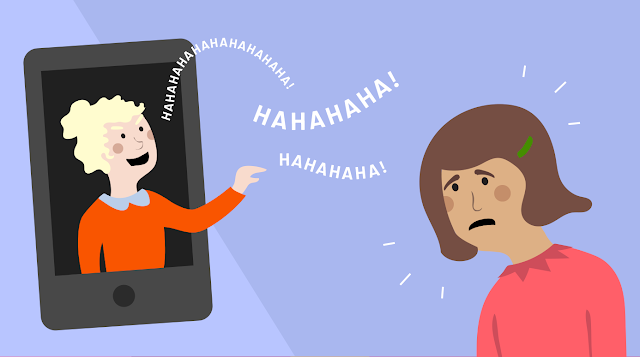
Could Your Child Be a Cyberbully?
Sometimes kids may not realize that their actions online are considered bullying. The internet can make it easier to say things they wouldn’t in person. Children should understand that online words can hurt just as much as those spoken face to face.
There can also be serious consequences for cyberbullying. Many schools have strict rules — students may face disciplinary actions, even for behavior outside of school, and some have been suspended for online actions.
Helpful Resources
If you need more information or help, these websites are great starting points:
- Stopcyberbullying.org – Information for kids aged 7 to 17
- Cyberbullying – How to UnMake a Bully – Student-made videos about fighting bullying
- Cyberbully411.org – Tips for kids and teens, including how to talk to parents
- Common Sense Media – Advice for parents working with kids of all ages
- KidsHealth – Easy-to-understand articles about cyberbullying
Conclusion
Cyberbullying is a serious issue, but it can be prevented. With awareness, support, and open communication, children can learn to protect themselves and others in the digital world.
5 FAQs on Understanding Cyberbullying
What is cyberbullying?
Cyberbullying is bullying that takes place through digital devices like phones, computers, and tablets via social media, text messages, or online games.
How can I tell if my child is being cyberbullied?
Look for sudden mood changes, avoiding devices, or reluctance to go to school — these can be signs of online harassment.
What should I do if my child is cyberbullied?
Encourage them not to respond, document the evidence, block the bully, and report it to the platform or school authorities.
Can kids become cyberbullies without realizing it?
Yes. Sometimes children tease or share things online without realizing they are causing harm. It's important to teach empathy and online etiquette.
Are there laws against cyberbullying?
Yes, many countries and states have cyberbullying laws, and schools often have strict disciplinary policies for digital harassment.
